Google’s Testing New Age Detection Processes to Protect Young Users
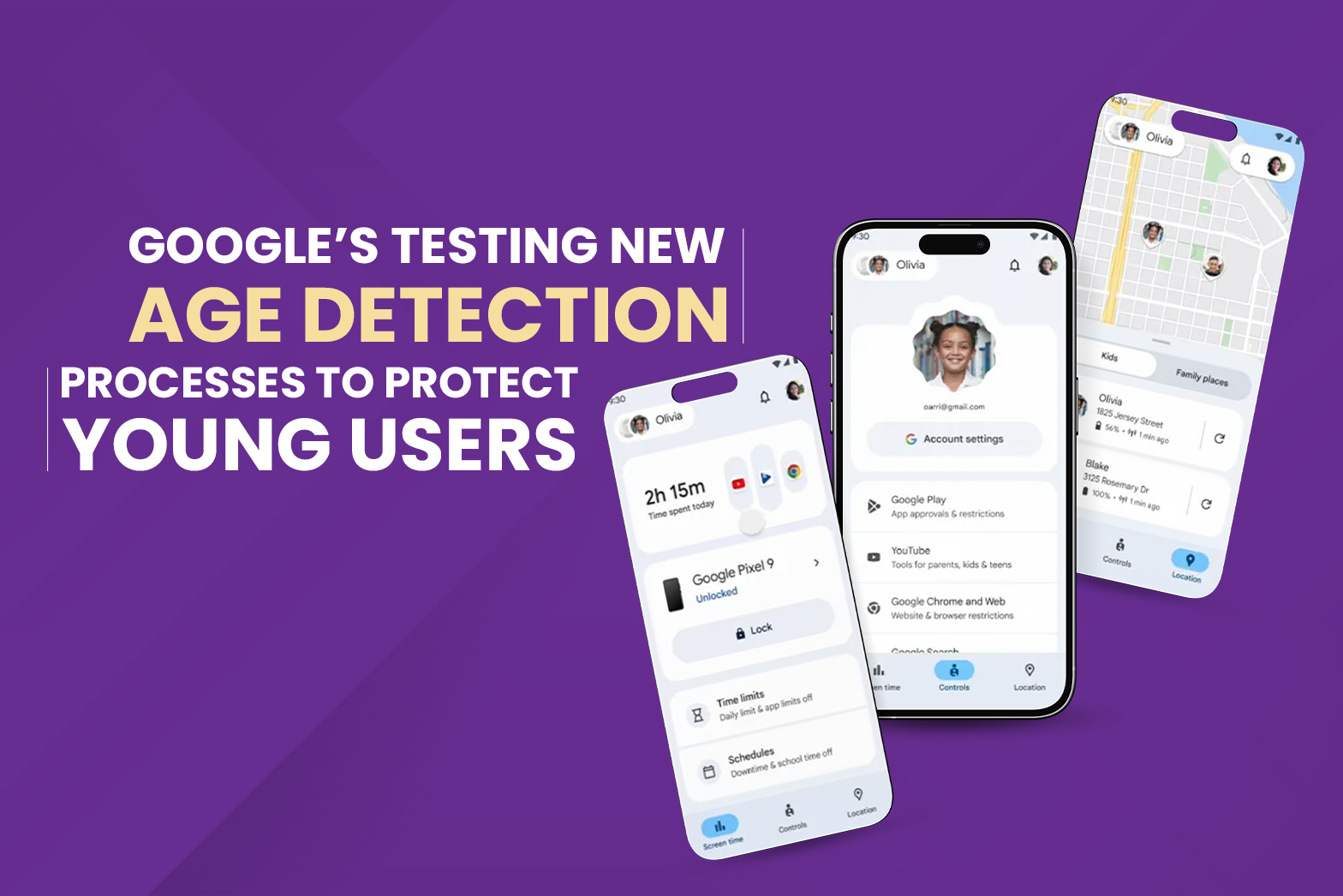
Google has introduced new safety features to protect young users of its apps. This includes a new system that uses machine learning to detect users’ ages. Google says that it’s developed a new model that will be able to detect user ages and adjust what it presents to them accordingly.
People are always looking for new ways to keep users safe based on their age, but one big challenge is knowing how old they are. This year, now will start testing a machine learning system in the U.S. to estimate if a user is over or fewer than 18. This will help us provide better protection and age-appropriate experiences.
As Google notes, this has long been a challenge in moderating online content because existing age-detection systems have not been accurate enough to accurately and reliably protect youngsters from harm.
Last year, the Australian government said it is working with experts on new ways to check users’ ages, including using facial recognition, as part of its plan to raise the minimum age for social media.
Google hasn’t given details on how its new system will work, but it is confident that it will better detect user ages and adjust in-app experiences accordingly. Along with this, Google has also announced an update to its Family Link supervision and management tools, making them easier to access and use through a redesigned app layout.
Parents will now be able to limit app use during school hours. Google is also adding new payment options in a child’s Google Wallet to help manage important expenses and emergencies.
Age detection element that will likely be the biggest focus, and if Google can get this right, it could open up a range of new options to limit access to inappropriate web elements.
In conclusion, Google’s new age detection system represents a significant step toward protecting young users online. By using machine learning to estimate user ages, Google aims to create safer and more appropriate digital experiences. While challenges remain in accurately verifying age, this innovation could greatly improve content moderation and online safety. Combined with updates to parental control tools like Family Link and new payment management options, Google’s efforts highlight a broader commitment to ensuring a secure online environment for children and teenagers. If successful, this technology could pave the way for more effective safeguards across digital platforms.
Recent Posts
Social Media Calendar 2027 India: Important Dates, Festivals and Marketing Ideas
Social media has become an essential part of business growth, brand awareness and customer engagement. However, maintaining a...
WhatsApp introduces a new shortcut to share Reels in chats
Users who have linked their WhatsApp account to Accounts Center can quickly share Instagram Reels using the chat attachment o...
Why Businesses Need SEO Friendly Websites for Long Term Online Growth
The significance of a website goes beyond merely being the online presence of a business in the current internet age. A websi...
Now You Can Invite Anyone to a WhatsApp Call: No Account Needed, No Cost, No Time Limit
WhatsApp is making online communication easier with its new guest calling feature, allowing users to invite anyone to join a ...